
Some of the most demanding work in our shop starts with Haynes alloys. These are high-temperature superalloys, most of them nickel-based, and they are known for being hard to machine. They hold their strength under heat, work harden quickly, and wear cutting tools fast. The same properties that make them valuable in high-temperature aerospace applications are what make them a challenge on the machine.
Starting With Prototypes
Our work in these materials started on the prototype side, machining parts from Haynes plate stock and Haynes castings. Prototype work is where we learn. Each job showed us how the material behaves and what it takes to hold a part securely and cut it consistently.
Over time, our team developed solid workholding and tool life solutions for this hard, challenging material. That was the turning point. Once a process is proven and repeatable, it no longer depends on one machinist babysitting every cut. It can be replicated.
Replicating the Process, Then Automating It
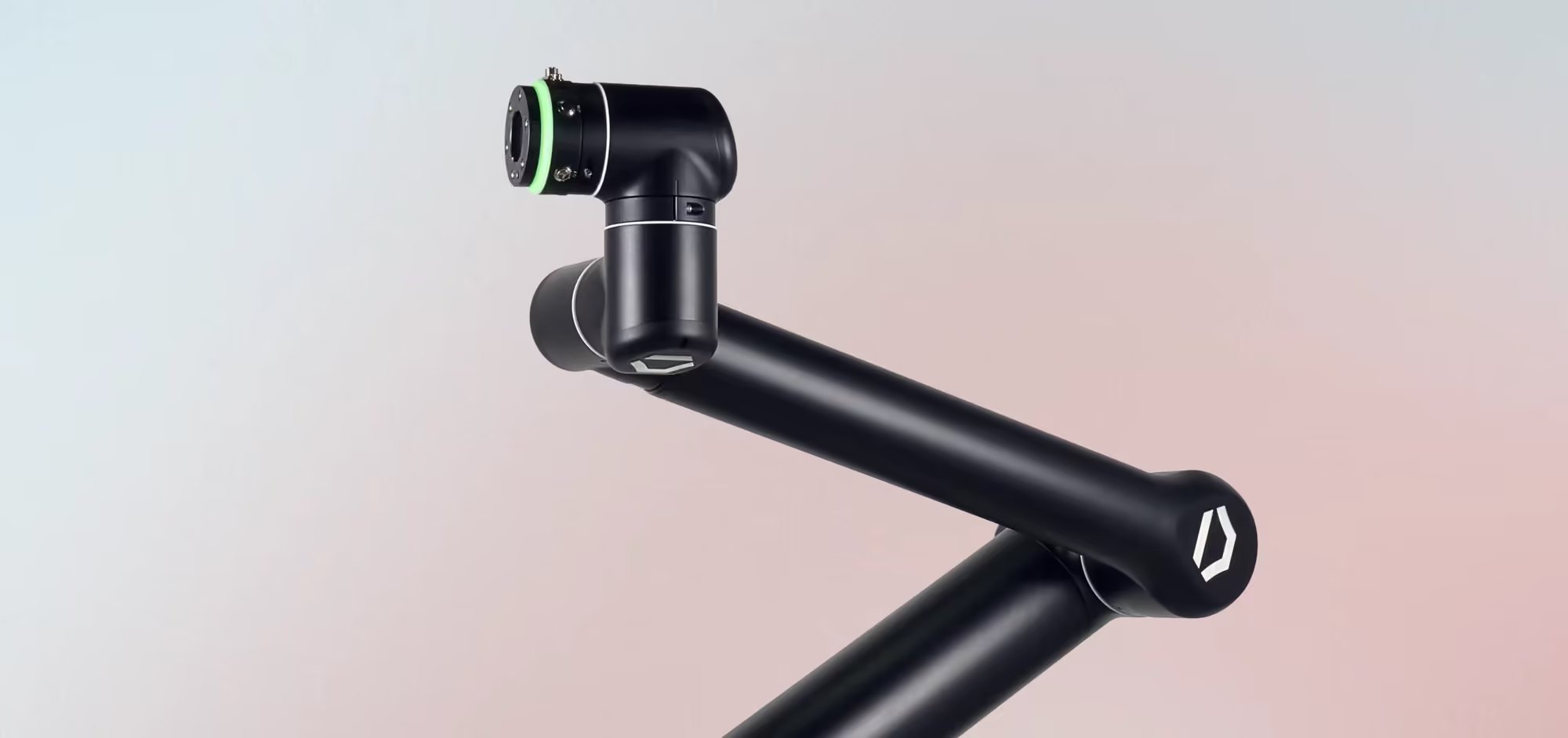
With a proven process in hand, we replicated it and automated it. We started with 2 Standard Bots Core robots running 24/7 on our Haas VF4SS mills with TRT210 5-axis rotary tables. Now we’re adding 2 Thor robots running the same parts on two new, identical machines. We currently have 96 RockLock vise stations feeding those TRTs, and the cells run unattended, around the clock.
We do our own robot integration in-house. That lets us build custom vise racks for specific customer production part numbers, so every run starts from the same proven setup. It also means our cells can be adapted to any machine in-house to fit your production needs.
Why It Matters for Production Work
As an AS9100D certified shop, we’ve seen several aerospace customers move from small prototype orders to production runs. Automation is how we keep up with that growth without giving up what made the prototypes successful: the same workholding, the same tooling approach, and the same process, run after run.
Our machinists stay focused on what they do best, which is solving the hard problems on new parts, programming, setup, and quality. The robots handle the repetition.
If you have a part in a difficult material that is ready to move from prototype to production, we’d like to hear about it. Learn more about our Robotics & Automation cells, our CNC Machining services, and our Quality system, or contact us to talk through your next project.